

It’s Alive!
Written By: ROB HILL
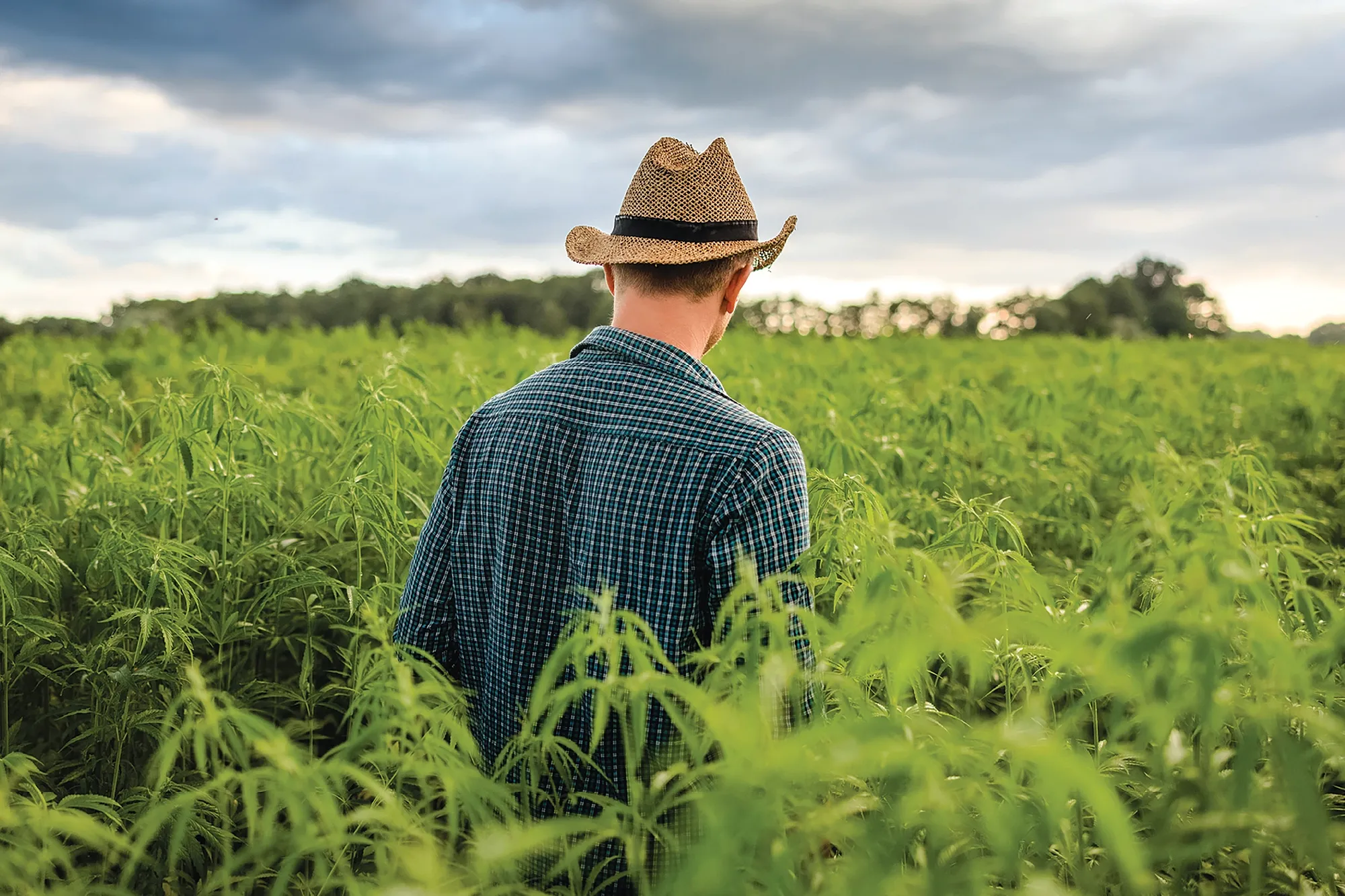
Joshua Keats, Founder of Henry’s Original, began using living soil twenty-five years ago—although he didn’t know it. He learned how to grow on Spyrock Road by first generation growers. The native mineral soil there was rocky, clay-heavy, and wasn’t accessible for a tractor—“My operations were pretty far out and accessed by a dirt road… not ideal growing conditions.”
So they would dig a hole, bring in topsoil, and amend it with organic inputs sourced from trusted local vendors.
“At the end of the year, after we harvested, we would plant a cover crop and in the spring we would re-amend with bat guano, minerals, and vermicompost,” he said. “I never replaced my soil for over a decade...the crops just got better and better.”
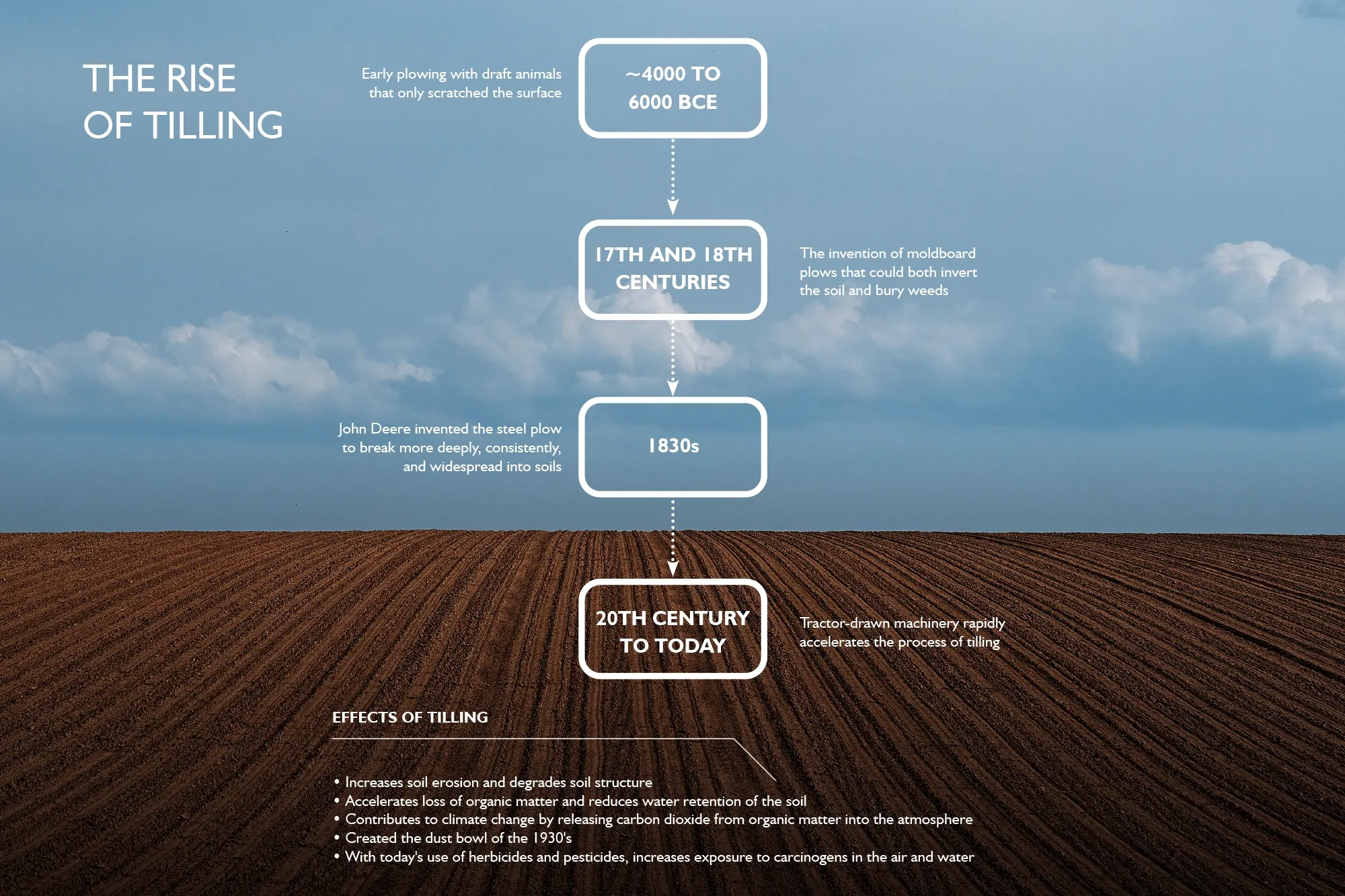
Between the 1940s and 1960s, during the so-called Green Revolution (a “green” era that meant something very different than it does today), agriculture embraced sweeping innovations: the Haber-Bosch process, large-scale irrigation, synthetic fertilizers, chemical farming with glyphosate, and genetically modified organisms (GMOs) designed to increase yield, resist pests, and enhance nutrition. These advances fueled massive productivity—and modern civilization as we know it—but they also brought significant environmental and climate costs.
Now, regenerative farming and living soil are gaining momentum, marking a return to practices that honor and restore the land. Living soil not only sustains the earth—it makes plants healthier, more flavorful, and more resilient.
BATS, BLOOD & BONE
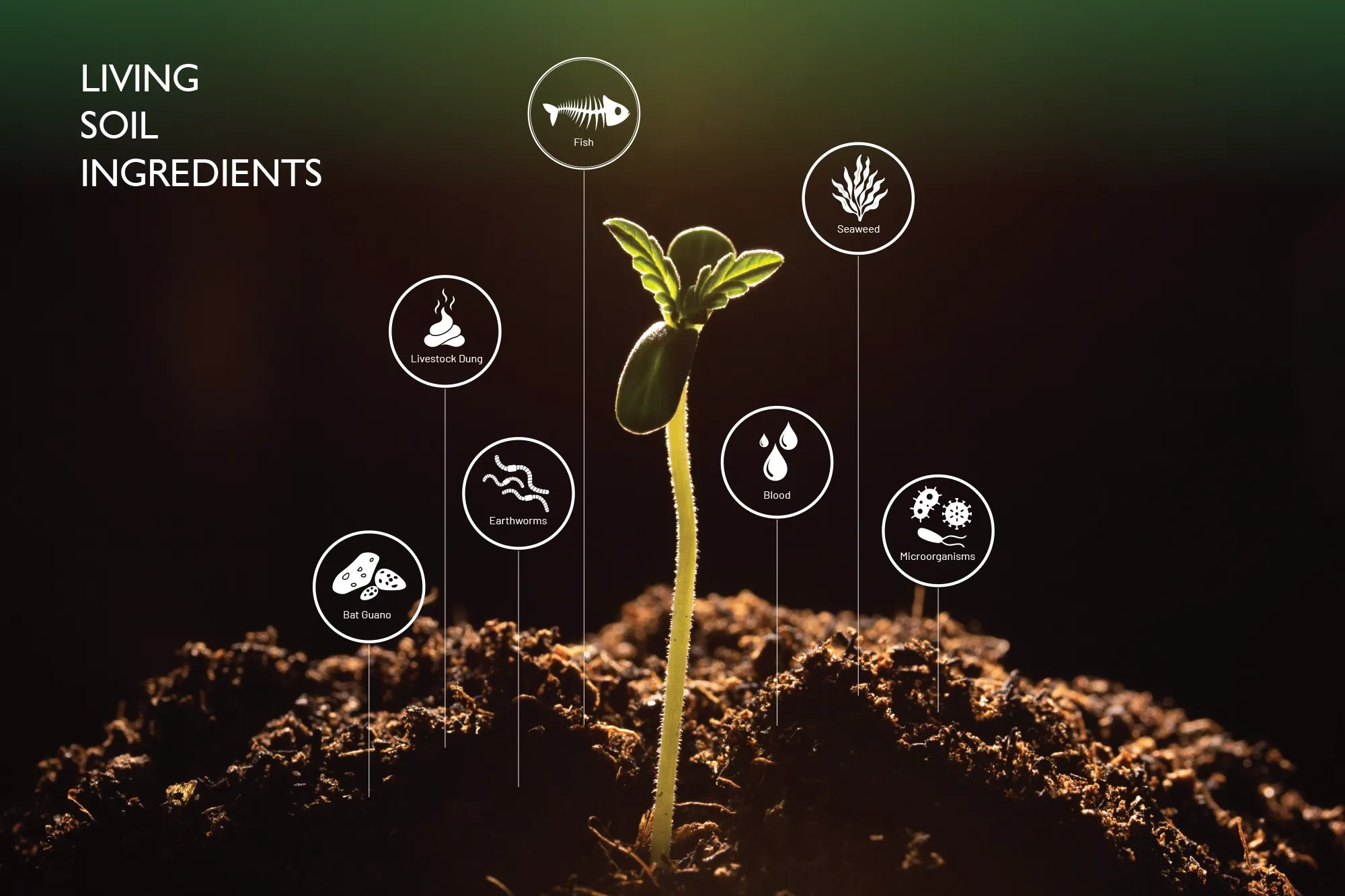
Most farmers who use living soil see their craft as a skill that takes many years to master. Living soil can be concocted with a myriad of ingredients—which farmers mix and match—but usually includes a variation of moss, compost, peat, earthworm castings, blood, fish, seaweed, bone meal, bat guano, and cow, chicken, horse, sheep, and/or alpaca dung.
The trick: To create a stew of ingredients that work together to break down organic matter within the soil, releasing potent nutrients for optimal growth. And the good news is there is no need for bottled nutrients or harsh chemicals like glyphosate, myclobutanil, bifenazate, spinosad, pyrethrins, and pyrethroids. Glyphosate, in particular, has had major toxic effects on humans, potentially causing cancer and developmental and metabolic disorders.
Glyphosate has been a scourge on human health since it was created in 1950 by Henri Martin, a Swiss chemist. However, it wasn't until 1970 that Monsanto scientist John Franz discovered its potential as the herbicide Roundup in 1974. As of April 2026, more than 60,000 active Roundup lawsuits remain, with new cases still being filed.
TERPENES GALORE!
Cannabis grown in living soil produces deeper aromas, a smoother toke, and an intoxicating swirl of terpene profiles. The high produces a deeper connection to the plant itself. You can feel it.
“The terpene expression comes down to plant stress response and nutrient complexity,” Keats noted. “In a living soil system, the plant accesses minerals and organic compounds through fungal and bacterial agents. That complete and balanced nutritional profile directly feeds the production of terpenes, flavonoids, and cannabinoids.”
We gathered four living soil farmers for a roundtable about this revolutionary—and yummy—way to grow superior cannabis.
“Living soil produces a result that synthetic programs simply can’t replicate, and educated consumers can taste and feel the difference.”
- Joshua Keats
THE PLAYERS
Joshua Keats: Founder of Henry’s Original; Outdoor; @henrysoriginal
Camran Hussain: Founder of Living Soil Dynamic; Indoor and full sun; @livingsoil.dynamic
Jake Taylor: Co-owner of No Till Kings; Indoor; @no.till.kings
Joseph Snow: CEO of Snowtill; Indoor; @snowtillorganics
WHY CANNABIS GROWN IN LIVING SOIL IS FINER
Joshua Keats: I think there is a fundamental shift in regards to what people put in their bodies—and that includes cannabis. Living soil produces a result that synthetic programs simply can’t replicate, and educated consumers can taste and feel the difference.
Camran Hussain: There’s a growing awareness that quality goes beyond surface metrics like THC percentage. Consumers are paying more attention to flavor, burn quality, and overall effect. Living soil brings back a level of complexity and depth that many people feel has been missing. Once people experience that, it tends to speak for itself.
“When the plant has exactly what it needs to thrive... we are able to produce some of the tastiest terpene-rich flower that can be cultivated.”
- Jake Taylor
Jake Taylor: Knowledge about regenerative agriculture is spreading and people are becoming more aware that living soil and farming regeneratively can have a hugely positive impact on the land—and can produce a better, more nutrient-rich product. Living soil really brings out the terpenes. Why? When you farm in living soil, you are giving the plant the most biodiverse growing media which lets the plant grow to its optimal potential. When the plant has exactly what it needs to thrive and the process is cared for from the clones all the way through drying and trimming, we are able to produce some of the tastiest terpene-rich flower that can be cultivated.
Joseph Snow: Living soil cultivated cannabis is frequently observed to possess greater trichome density, more pronounced terpene profiles, and slower aging compared to many hydroponically grown varieties. Soil science, like fields such as neuroscience, space science, and oceanography, is still relatively young. The complex web of interactions between microbes and living organisms can't simply be reduced to basic elements like nitrogen, potassium, phosphorus, and a handful of micronutrients. Isolating plants from their natural environment removes them from the triggers for hormonal responses—the very conditions to which they evolved to grow. When someone asks why the terpene profiles are more intense, buds taste better, or the high feels cleaner when grown with living soil, I don’t attribute it to a single feature. Instead, I take a holistic view—it’s all interconnected.
YOUR FLOWER POWER
Joshua Keats: Henry’s Original has over twenty years of farming in the same Mendocino County appellation, in soils that are alive with a nurtured biome. We produce an authentic product with a regional identity—a true representation of the terroir of Mendocino County. 100% of our cannabis is grown, cured, and packaged here. Our products are as close to farm direct as you can get in today’s California dispensary system.
Camran Hussain: Living Soil Dynamic’s focus is on producing cannabis that reflects care, balance, and intention at every stage. We prioritize soil health, plant expression, and careful handling from cultivation through the final product.
Jake Taylor: No Till Kings is owner-operated and truly dedicated to quality cannabis. We put our heart and soul into every batch and we are real connoisseurs ourselves that truly care about the product we are creating.
Joseph Snow: My experience with cultivating living soil began slightly over ten years ago. Our approach combines various living soil methods, inspired by Mountain Organics’ legendary soil recipes.
WHAT’S IN YOUR LIVING SOIL STEW
Joshua Keats: At Henry’s, we run a minimal-till, perpetually amended system built on a custom compost base with rock minerals, biochar, and a diverse mix of organic matter that we’ve been refining for over two decades. We utilize the cattle and sheep operations that coexist on our ranches to graze the cover crops and deposit fresh manure in the spring. After harvest, we re-amend with compost and plant a mustard and brassica heavy cover mix and allow the ground to rest.
When the cannabis plants are in the ground, the soil is supported by companion plantings that work above and below ground, releasing biofumigants and nitrogen while enhancing overall biology. The mycorrhizal networks and bacterial populations we’ve cultivated are genuinely irreplaceable—that biology is the product as much as the cannabis is.
Camran Hussain: At Living Soul Dynamic, we build and maintain our own living soil using compost, mineral amendments, and cover crops to create a self-sustaining system. The focus is on soil biology and instead of feeding the plant directly, we support the microbial life that makes nutrients available in the most natural and balanced way. It’s a slower process, but it produces a more complete and expressive result.
Jake Taylor: At No Till Kings, we start with a good base soil, then inoculate that soil with rich compost, mycorrhizae, and microbes to create biological diversity. Then we add worms to help start the process of aerating the soil and breaking down organic matter, which creates rich worm castings that continue to feed the soil, along with topdressing to replenish the exhausted nutrients.
Joseph Snow: Snowtill’s approach combines various living soil methods, initially inspired by Mountain Organics' soil recipes. We use a living cover crop—after previously favoring mulch—and a range of dry amendments to feed both micro and macro biomes. Our original, untilled soil remains the foundation from our facility’s start. As we've learned more, we've focused on soil testing to better understand the nutritional profile of our growing mediums.
“The complex web of interactions between microbes and living organisms can't simply be reduced to basic elements.”
- Joseph Snow
CAN LIVING SOIL SAVE THE WORLD?
Joshua Keats: I’d love to be able to jump up and down and give a yes... but honestly, no, not alone. You have to look at the complete picture—the world’s population is not sustainable without chemical fertilizers for crop production, particularly synthetic nitrogen (a.k.a. The Haber-Bosch process). While living soil crop production is an opportunity for boutique, high value crops that can afford to choose the type of inputs that are healthier for the consumer and the planet, you literally cannot feed eight billion people without the Haber-Bosch process—at least not yet.
I think the most important opportunity for living soil and the regenerative agriculture movement in general is the ability for it to further galvanize the consumer to ask the questions: What are you using in the thing you’re selling me? Is there a better way to do that that takes my health into consideration? What are your operation’s effects on our environment?
Camran Hussain: I don’t think any single method can solve everything, but living soil represents a regenerative and responsible approach. It focuses on building soil rather than depleting it, and it encourages a closer relationship between cultivator and environment. If applied more broadly across agriculture, it could contribute to more sustainable systems overall.
Jake Taylor: I don't know if it can save the world but it can surely have a huge impact on agriculture and the environment, in addition to sequestering carbon back into the soil and lessening the reliance on pesticides.
Joseph Snow: When Woody Harrelson released the Netflix documentary Kiss the Ground, which highlights carbon remediation through healthy soil environments, it echoed principles I had been advocating for years. Establishing environments that support diverse life can help stabilize soils globally by reducing erosion, lowering carbon emissions through sequestration in the soil, and, ultimately, contributing to more consistent climate regulation. If a substantial number of farmers adopt living soil practices, we could observe rapid improvements in global ecosystem health.
“[Living soil] focuses on building soil rather than depleting it, and it encourages a closer relationship between cultivator and environment.“
- Camran Hussain

Woody's Soil Smooch
We all know Woody Harrelson’s favorite flower is the regenerative, sun-grown flower from The Emerald Triangle—and he narrated a movie about how living soil can be the key to fighting climate change and healing the planet. Netflix’s Kiss the Ground profiles scientists, farmers and environmentalists as they explore the important role healthier soil plays in better human and planetary health. The movie lambastes conventional agriculture and its adverse effects on soil, climate, and health, while demonstrating all the positive benefits by switching to regenerative living soil.
Woody has advocated for years that establishing environments that support diverse life can help stabilize soils by reducing erosion, lowering carbon emissions through sequestration, and contributing to more consistent climate regulation. If more farmers adopt living soil practices, we could see rapid improvements in global ecosystem health.
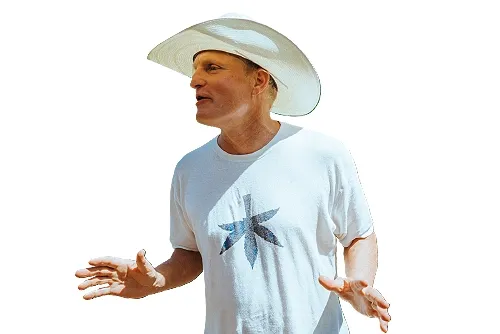
Photo: The Woods