
Movies & Sh*t: Fatal Fame
The Sword of Stardom And the Birth of Cancel Culture
Written By: JOHNNY NAVARRO
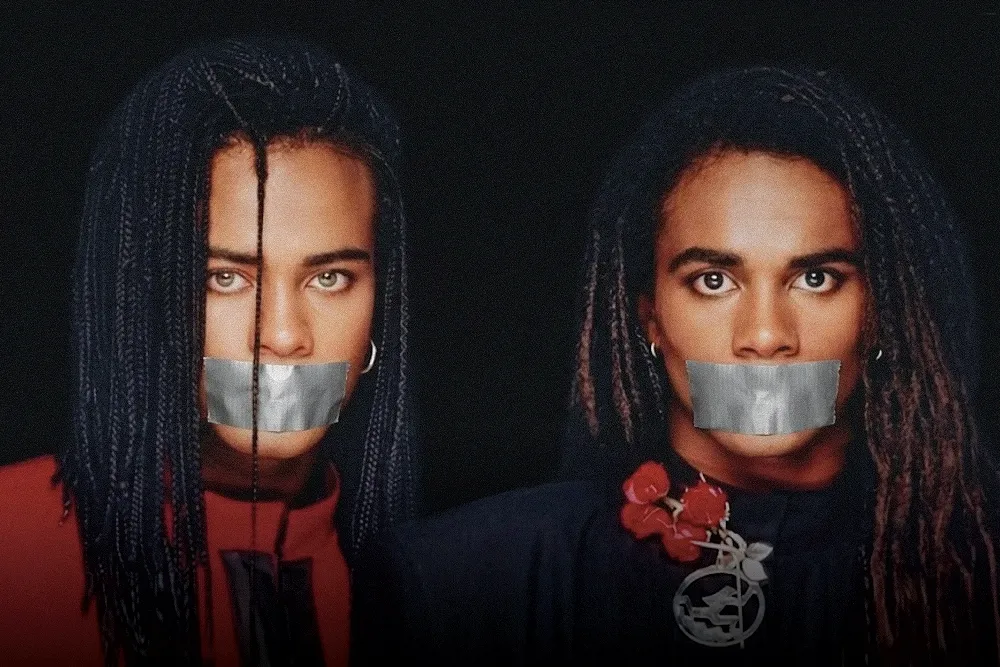
In the late 1980s, pop music found two unlikely stars in Milli Vanilli—a duo whose sculpted image and electrifying presence seemed engineered for global domination. Rob Pilatus and Fab Morvan didn’t just perform; they embodied the MTV era, where visuals could eclipse virtually everything else. Their ascent was meteoric. Their fall, total.
The 2023 documentary Milli Vanilli (Paramount+) revisits this rise and collapse with a strikingly modern lens. What was once framed as a simple scandal—two performers lip-syncing to someone else’s vocals—now reads as something more complex: an early flashpoint in what we might recognize today as cancel culture, and a cautionary tale about the machinery of fame.
As music producer, arts technologist and former Interscope Records executive, KamranV puts it, “Looking back, this wasn’t shocking—it was a familiar formula pushed past its breaking point.”
For one generation, that reckoning wasn’t abstract—it was personal. At roughly the same moment many discovered Milli Vanilli, they were also learning another uncomfortable truth: professional wrestling wasn’t real either. For kids coming of age in the late ’80s, those revelations landed almost simultaneously, collapsing two larger-than-life illusions at once.
KamranV: “I was 10 years old when ‘Girl You Know It’s True’ hit MTV. Within months, Milli Vanilli had grown so massive they even toured smaller markets like Oklahoma City—something that, by today’s standards, feels almost impossible.”
“Looking back, this wasnʼt shocking—it was a familiar formula pushed past its breaking point.”
- KamranV
“The speed is hard to overstate. It took Billie Eilish nearly four years between her first breakout and performing in a market like that. Milli Vanilli did it in less than one. At the time, the saturation felt total—ubiquitous in a way that’s difficult to replicate in today’s fragmented media landscape. My best friend and I even squeezed in a lip-synced Milli Vanilli routine at a school talent show during that brief window. For a moment, the illusion wasn’t just theirs—it was ours too.”
Pilatus and Morvan’s story began far from the spotlight, in European club scenes where ambition often outpaced opportunity. Their partnership, built on charisma and hunger, caught the attention of producer Frank Farian, a master architect of pop success. Farian didn’t just discover them—he constructed them, supplying the sound through uncredited vocalists while Pilatus and Morvan became the faces of a meticulously curated act.
The result was a phenomenon. Chart-topping hits, global tours, screaming fans, millions of dollars, and eventually the 1990 Grammy Award for Best New Artist crowned their success. But beneath the surface, the entire enterprise rested on a fragile illusion—one that depended on silence, complicity, and the audience’s willingness to believe. To quote Morvan: “Lies were taking the elevator, while the truth was taking the stairs.”
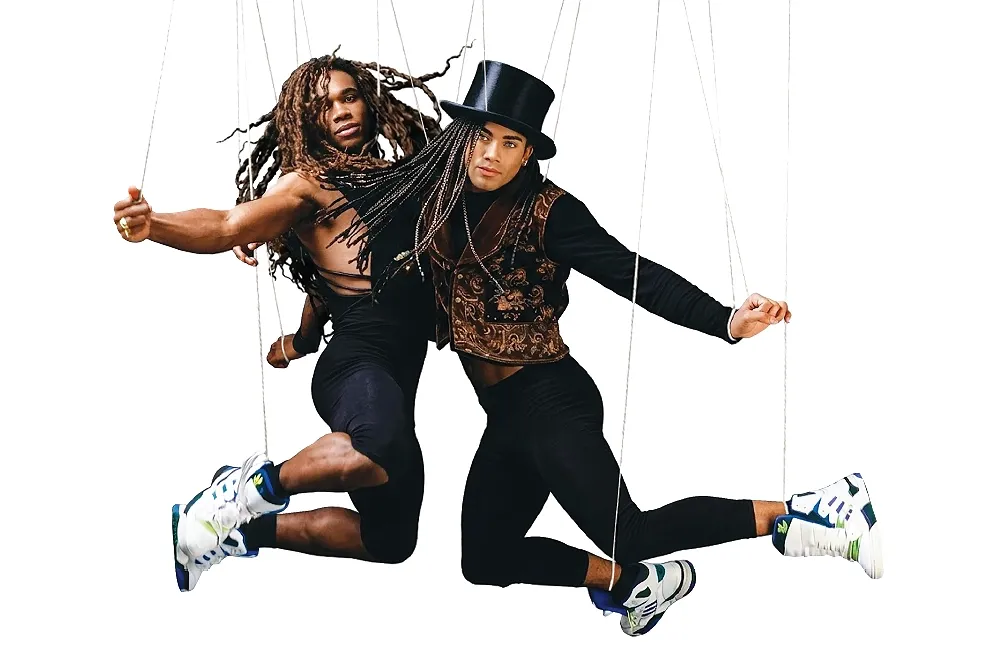
“Nobody looks too closely when the hits are working,” KamranV notes. “And the hits were working—driven not only by image, but by sharp production instincts. Farian’s decision to prominently sample ‘Ashley’s Roachclip’ by The Soul Searchers in multiple singles was both perceptive and brazen, reflecting hip-hop’s growing influence on pop. Two Milli Vanilli songs, ‘Girl You Know It’s True’ and ‘Baby Don’t Forget My Number’ built on the same recognizable drum loop, both climbing the charts. Today, it might feel algorithmic. At the time, it was audacious.”
It wasn’t until the illusion broke publicly that the collective denial gave way to outrage.
And when it did, the backlash was immediate and absolute.
Long before social media codified outrage into daily ritual, Milli Vanilli became one of the first modern examples of total cultural repudiation. Their Grammy was revoked—an extraordinary act that signaled not just disapproval, but erasure. Radio stations dropped their music. Contracts vanished. The same system that had manufactured their fame now disowned them, swiftly and publicly.
“What you’re really seeing there,” KamranV says, “is the industry protecting itself.”
What we now call “cancel culture” was not yet a term, but the mechanics were already in place: a moral violation, amplified exposure, and a swift collective judgment that left little room for nuance or recovery. What Milli Vanilli makes clear is how familiar this pattern feels today.
“Nobody looks too closely when the hits are working.”
- KamranV
Swap MTV for TikTok or Instagram, and the mechanics remain strikingly similar. Visibility is currency. Image is identity. Authenticity is both demanded and constantly questioned. And when a perceived violation occurs, the response is immediate, intense, and often unforgiving.
“We’ve industrialized that cycle,” KamranV adds.
The deeper question the documentary raises is not why the public reacted—it’s who deserved the consequences.
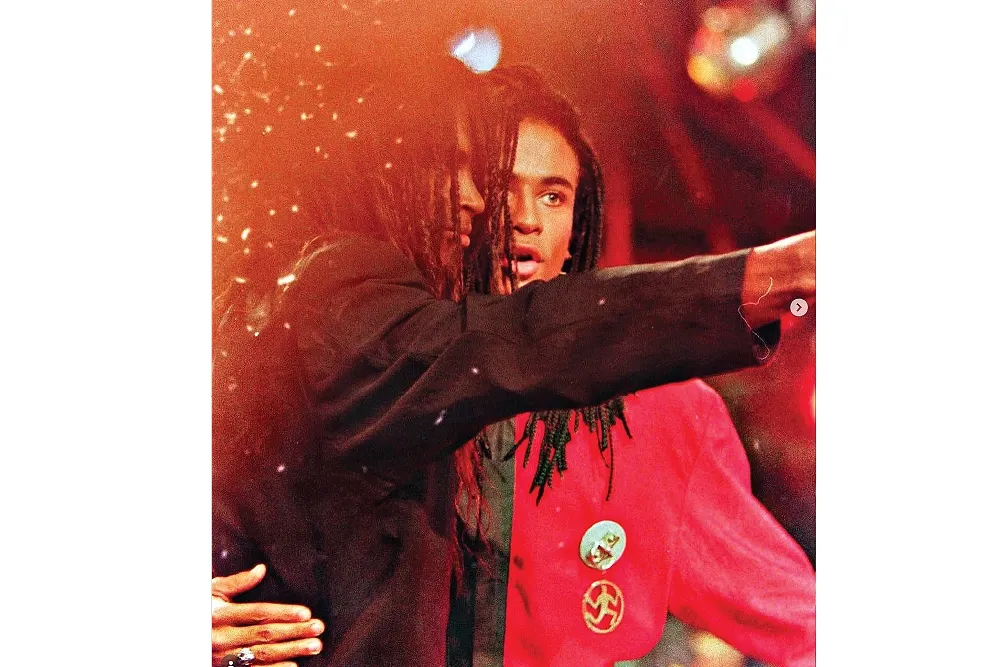
The documentary complicates the idea of guilt. Pilatus and Morvan were not the architects of the deception—they were its most visible instruments. Young, ambitious, and eager for success, they entered a system that rewarded image over authenticity and then punished them when that imbalance was exposed. They were caught up in something far bigger than themselves.
“They weren’t the system—they were the output of it,” KamranV says.
The lead vocal was provided by session singer Brad Howell, whose performances powered hits like “Girl You Know It’s True” and “Blame It On The Rain.” But his voice didn’t match the image Farian wanted to sell. Howell was paid, uncredited, and initially silenced—a reminder that authenticity in pop has often been negotiated behind closed doors.
There was real talent behind the curtain, it just wasn’t considered marketable.
For Rob Pilatus, the consequences were devastating. Stripped of identity and purpose, he struggled with addiction and public shame. In 1998, he died from an overdose—a tragic end that reframes the scandal as something far more human than a punchline.
Fab Morvan, who survives, offers a reflective counterpoint, revealing the psychological toll of living inside a constructed identity.
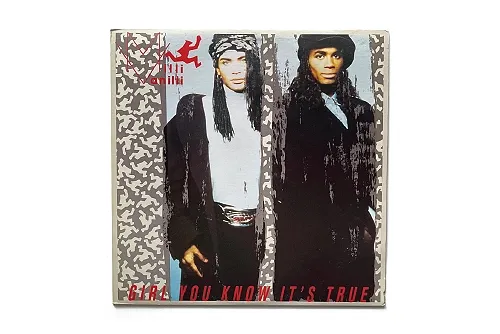
“When that version of you collapses,” KamranV says, “it takes more than your career with it.”
What, then, are we meant to learn from Milli Vanilli?
First, that authenticity in popular culture is often less absolute than audiences prefer to believe. The line between performance and deception is frequently blurred across industries that rely on illusion as currency. In today’s AI-influenced world, that ambiguity has only deepened.
Second, that systems of fame are quick to elevate and even quicker to discard. The same forces that created Milli Vanilli also ensured their downfall.
And finally, that public judgment—whether in 1990 or today—rarely accommodates complexity.
“People want clean narratives,” KamranV says. “The truth is messier.”
Seen through this lens, their rise and fall feels less like an anomaly and more like a prototype. In today’s hyper-visible, image-driven culture—where perception can be manufactured and dismantled in real time—their story is no longer an outlier.